
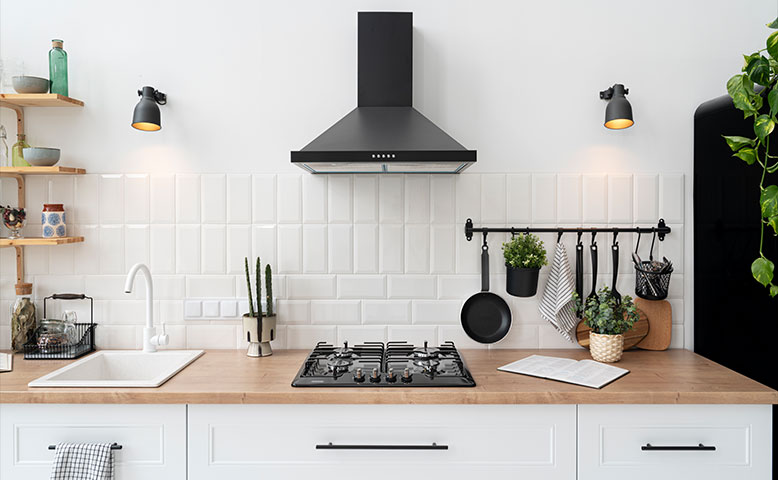
A small kitchen can feel crowded quickly, but if you plan ahead, you can make it work hard for you every day. Kitchens in many homes are less than 120 square feet, yet they nonetheless work for cooking, storing things, and spending time with friends. The goal isn’t to modify everything; it’s to use every inch carefully. Break your space up into four areas: prep, cook, clean, and store. When you plan each zone, you save time and keep counters clear.
- Focus on function before style.
- Use vertical space, not just floor space
- Plan storage for what you really use
With a few smart changes, even a tiny kitchen can feel open, calm, and easy to use.
Plan Your Layout Wisely
Before you buy tiles or cabinetry, think about how you move around in the kitchen. Most people say that there should be 40 to 60 inches of distance between countertops so that two people may walk by without bumping into each other. You might not be able to reach it in a small kitchen, but you can still keep a clear route. Try to keep the typical “work triangle” between the sink, stove, and fridge brief and to the point.
- Avoid doors that clash when opened.
- Keep trash and dishwasher near the sink
- Place often-used items near prep areas
Measure everything, including appliance doors when open. Good layout planning reduces extra steps and helps you cook faster and safer in a compact space.
Use Vertical Storage Smartly
Walls are your best friend in a small kitchen. Instead of deep base cabinets only, think upward. Most standard upper cabinets are 30 inches tall, but many modern kitchens have 36 to 42 inches tall uppers that reach closer to the ceiling and add 20 to 30 percent extra storage space. Put hooks and tiny baskets on open shelves or rail systems.
- Install shelves above windows or doors.
- Use magnetic strips for knives and tools
- Hang pots from a compact wall rack
Remember weight and anchors when fixing items to the wall.
Choose Space-Saving Appliances
Appliances can steal space if they are too large. A 36-inch fridge can seem beautiful, but a 24–30-inch model might work just as well for a small family and free up a lot of space. Dishwashers that are only 18 inches wide and stoves that are only 24 inches wide fit well in small spaces. Check depth as well as width and height.
- Choose flush or counter-depth appliances.
- Use induction cooktops with storage below.
Compared to older versions, energy-efficient ones can use 10–20% less power. Appliances that are the right size keep passageways open and make more room for storage around them.
Maximize Inside Cabinets
Most people don’t use all the space within their cabinets. Simple hardware can change how you store things. Roll-out trays, pull-out spice racks, and corner carousels can make up to 50% more space useful than fixed shelves. Changing the heights of your shelves to fit your things also saves space.
- Add pull-out trays for pots and pans
- Use door-mounted racks for lids and spices
- Install vertical dividers for baking sheets
Before you buy organizers, measure the insides of your cabinets. Look for slides that go all the way out so you can see the whole drawer. Smart cabinet interiors provide you with more space for everything you need and less digging and bending.
Create Multi-Use Surfaces
In a compact kitchen, every surface should be able to do more than one thing. Think about adding a flip-up counter extension at the end of a run. It can offer 2 to 4 square feet of prep space and fold down when you don’t need it. Use a large cutting board over the sink.
- Choose stools that tuck fully under counters
- Try a narrow island on locking wheels
Make sure any added surface does not block appliance doors or drawers. Multi-use surfaces let you cook, serve, and clean up without feeling crowded.
Improve Lighting and Electrical
Good lighting can make a small kitchen feel bigger and safer. Layer three types: general ceiling lighting, task lighting under cabinets, and accent lighting for open shelves or glass fronts. LED strips under upper cabinets are thin and use up to 75% less energy than old bulbs. Proper lighting reduces shadows on worktops and helps prevent accidents.
- Place task lights above main prep areas
- Add lights inside deep or corner cabinets
- Use warm-white LEDs for a cozy look
Review outlets with an electrician. Having plugs every 4 feet on counters, as many codes suggest, keeps appliances easy to use without messy extension cords.
Use Color and Materials Wisely
Color choices affect how large a kitchen feels. Light cabinets and backsplashes reflect more light and make walls seem farther away. Gloss or satin finishes bounce light even more. A simple color palette of two or three tones keeps the room from feeling busy. Large tiles with narrow grout lines on floors and walls reduce visual clutter.
- Choose light tones for upper cabinets.
- Keep counters and backsplash similar in shade
- Use clear or frosted glass for some doors
Durable materials like quartz counters and ceramic tile resist stains and heat, which means less maintenance. Thoughtful finishes add style without making the space feel tight.
Organize for Daily Use
Even a perfect remodel feels messy without a daily system. Studies suggest many people use only about 20% of their kitchen items often, while the rest just take up space. Store daily-use plates, cups, and tools between hip and shoulder height for easy reach. Place rarely used items higher up or farther back.
- Group items by task: baking, coffee, snacks
- Use clear bins for small pantry goods
- Label shelves and containers for quick access
A well-organized kitchen saves time and stress. When everything has a clear spot, cleanup is faster, and counters stay ready for cooking.
Plan, Budget, and Future-Proofing
Smaller kitchens cost less than bigger ones, but the price per square foot can be more because every inch counts. A small kitchen remodel can generally get back 70–80% of its cost when you sell it, depending on the finishes and where it is. Spend money on things that are hard to replace later, including cabinets, wiring, and plumbing.
- Set a clear budget range before starting
- Get at least two contractor quotes
- Keep 10–15% of the budget for surprises
Use layouts and broad surfaces that won’t go out of style, so you won’t have to rebuild everything soon. Planning ahead will keep your home and your money safe.
Conclusion: Make Every Inch Count
A small kitchen does not limit what you can cook or enjoy; it simply asks for smart planning and careful choices. By focusing on layout, storage, lighting, and the right appliances, you turn a tight room into a practical, welcoming place for daily life. Use vertical space, upgrade the inside of cabinets, and keep a simple color plan so the room feels open and calm. If you are ready to improve your own kitchen and want skilled help with the details, reach out to Trent Halgren Handyman Services.

