
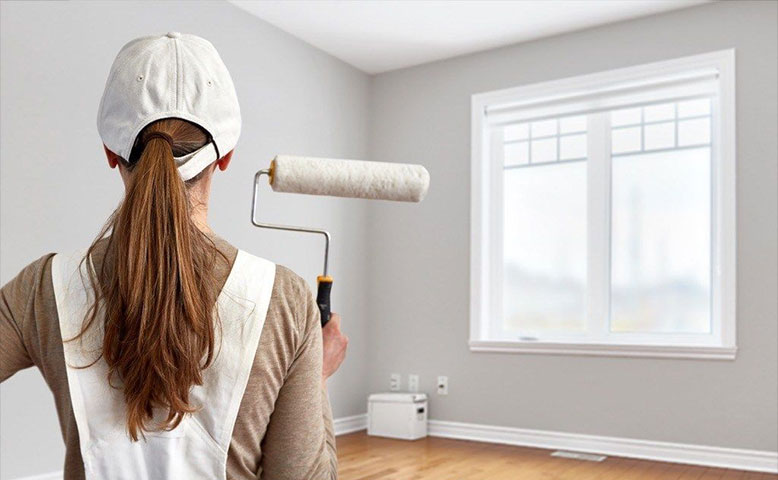
A fresh coat of paint can make a room feel clean, new, and well put together. The trick is getting that “done by a pro” look without stress. With a bit of planning, the right tools, and a clear order of steps, you can get smooth walls, crisp edges, and colors that hold up. In this guide, you’ll find tips, small technical details that matter, and a few facts to guide smart choices.
- What to buy—and why
- Steps that prevent flaws
- Timing that avoids rework
Measure once, prep well, and follow a steady pace. Your results will show it every time you walk into the room.
Plan Before You Paint
Start with a plan and some quick math. Measure the length × height of each wall, subtract doors and windows, and total the square footage. One gallon of quality latex usually covers 350–400 sq ft per coat, but rough walls need more. Buy 10% extra to match future touch-ups from the same batch number. Note the room’s use and traffic before picking paint.
- Make a simple room sketch.
- List surfaces: walls, trim, doors, ceiling
- Set a realistic weekend schedule.
Label doors and trim on your plan, price out tape and plastic, and line up drop cloths. A calm, ordered start keeps the project on track.
Pick The Right Sheen
Sheen affects both look and cleaning. Flat hides wall marks but scuffs more easily. Eggshell or satin handles are used for wiping in living spaces. Semi-gloss on trim resists fingerprints and gives a subtle highlight. Gloss is tough but shows every dent, so use it only on very smooth wood.
- Walls: eggshell or satin
- Kitchens/baths: satin or semi-gloss
- Trim/doors: semi-gloss
Match the sheen across rooms that connect so light reads the same. Check the label’s scrub rating; higher is better for hallways. Use the same sheen and brand for all coats in a room to avoid uneven shine that can appear after the paint cures.
Color and Light Rules
Paint color shifts with light. Look for Light Reflectance Value (LRV) on the swatch: higher numbers bounce more light and can make small rooms feel open. Cool bulbs (4000–5000K) make blues and grays crisper; warm bulbs (2700–3000K) soften beiges and creams. Test two-coat samples at eye level on each wall.
- View samples morning, noon, and night
- Check under your actual bulbs
- Live with them for 48 hours
North-facing rooms lean cool, so consider warmer tones. For wide spaces, keep colors within 10 LRV points to avoid jarring shifts. A short test now prevents a full repaint later.
Surface Prep Matters Most
Great paint on a dirty wall still fails. Wash glossy or greasy spots with degreaser, then rinse. Fill nail holes with lightweight spackle; larger dents need joint compound. Sand patched areas flush (120–150 grit), then feather the edges. Vacuum dust and wipe with a barely damp microfiber cloth.
- Remove switch plates and vents.
- Fix hairline cracks before priming.
- Let patches dry fully.
If you paint over dust, it bonds into the film and dulls the finish. A moisture issue? Solve it first. Paint is not a seal for leaks. A careful hour of prep often saves several hours of sanding and touch-ups later.
Prime For Real Results
Primer grips the surface, hides repairs, and evens color. New drywall needs drywall primer; stained or wood-knotted spots call for stain-blocking primer. Switching from dark navy to off-white? A tinted primer speeds coverage. Typical primer covers 200–300 sq ft per gallon, depending on porosity.
- Spot-prime repairs and stains
- Full-prime new drywall and bare wood
- Tint primer toward your finish color
Stir primer for 2–3 minutes to lift solids. If a water stain reappears, use a shellac-based spot primer before your color coat. Proper priming reduces the total coats and gives you that uniform, even look seen in model homes.
Tools That Save Time
Good tools are worth it. A 2–2.5″ angled sash brush gives sharp lines. Rollers: 1/4″ nap for smooth walls, 3/8″ for most interiors, 1/2″ for light texture. An extension pole keeps your back happy and speeds ceilings and tall walls. A sturdy tray with liners keeps cleanup simple.
- Buy a quality angled brush.
- Match roller nap to wall texture
- Use an extension pole.
Keep a 5-in-1 tool for opening, scraping, and roller scraping. Strain paint if debris shows. Low-VOC paints (<50 g/L) cut odor and are safer for kids’ rooms. The right setup means smoother coats and fewer stop-and-start marks.
Tape, Cut, Then Roll
Work in a steady order for clean edges. Tape baseboards and frames, pressing the edge with a putty knife. “Cut in” a 2–3″ band with your brush where walls meet trim and ceiling. Then roll the main area in overlapping “W” patterns, keeping a wet edge so sections merge.
- Load roller evenly, not dripping
- Overlap lines before they dry
- Pull the tape while the paint is slightly damp
Don’t rush the tape. If paint sets, score the edge with a utility knife before pulling. Keep a damp rag in your pocket for quick fixes on trim or floors before the paint sets hard.
Mind Temperature and Humidity
Paint chemistry likes steady conditions. Most latex paints roll best between 10–32°C (50–90°F), with sweet spots near 20–25°C (68–77°F). High humidity slows drying and can cause dull patches; aim for below 60% if possible. Use fans to move air, not to blast the wall.
- Check the room temperature and humidity first
- Avoid painting near heaters
- Vent with open windows if safe
Read the label for recoating windows at your exact conditions. Too soon, and you risk lifting the first coat. Too late, and edges may not tie in. Balanced room conditions help the film cure strongly and evenly.
Drying, Sanding, Second Coat
Let the first coat dry as directed—often 2–4 hours for many latex paints at normal room conditions. Before coating two, lightly sand the walls with 220-grit to knock down nibs, then dust off with a microfiber cloth. Fresh trim often needs a third, thinner finish coat for a glassy look.
- Follow the brand’s recoat time.
- Lightly sand between coats
- Allow full cure: 7–30 days.
Most paints reach “dry to the touch” fast, but true cure takes longer. Avoid scrubbing for at least a week. For doors, lay them flat if you can to reduce runs. Small patience here leads to a smoother, tougher finish.
Finish Strong and Enjoy
Step back and check for holidays (thin spots) in daylight and under your room lights. Touch up with a small artist brush rather than a full roller pass. Label leftover paint with room, sheen, and date, then seal the lid tight. Your care shows in the crisp lines and even color that greet you every day.
- Keep a small touch-up kit.
- Note brand, color code, and sheen.
- Store paint where it won’t freeze
If you’d like help with tricky rooms, repairs, or just want it handled, reach out to Trent Halgren Handyman Services for friendly, reliable interior painting support.

